




Product
SMT Reflow Oven and PCB Oven Equipment
Reliable soldering depends on controlled heating at every stage of the production line. An SMT reflow oven provides that essential stability, giving electronics manufacturers greater confidence in joint strength, precision, and long-term consistency.
Here at SZWIT, our range includes advanced reflow machines and PCB oven systems designed to match diverse throughput and quality requirements. These solutions support both everyday production and advanced electronics applications, ensuring smooth integration into modern SMT lines.
How a Reflow Machine Works in SMT Lines
Every SMT reflow oven cycle follows a sequence designed for precision. Heating, transport, and cooling all serve different purposes. Here’s a breakdown of how those functions come together.
Heating Zones and Profiles
A reflow oven uses multiple heating zones to gradually raise the board temperature. Controlled profiles prevent thermal shock and help solder paste flow evenly across all components.
Temperature Control and Monitoring
Sensors regulate temperature within each stage to maintain accuracy. This precision enables consistent melting, proper wetting, and dependable cooling cycles throughout the reflow machine.
Conveyor Transport
Boards travel through the SMT reflow oven on a conveyor that sets speed and spacing. Uniform handling delivers predictable results and minimizes variations between production batches.
Cooling Process
Once solder has flowed, the cooling stages solidify joints without introducing stress. This controlled transition is vital for preventing cracks or misalignments in finished assemblies.
What to Look for in a Modern Reflow Machine
Not all systems offer the same level of performance. Knowing the features that define a strong PCB oven helps manufacturers align equipment with production goals, and providers like SZWIT offer solutions with these priorities in mind.
Energy Efficiency
Advanced solder reflow oven models focus on optimized power use. Lower consumption reduces operating costs while still maintaining stable thermal performance. Energy-conscious designs also contribute to sustainability initiatives in modern electronics manufacturing today.
Process Flexibility
The best reflow machines support various board sizes and solder types. Adjustable zones and settings help manufacturers adapt quickly to product changes. This flexibility keeps production lines responsive to shifting customer demands and shorter product lifecycles.
Maintenance and Usability
Modern SMT reflow oven systems are designed with easy-access panels and diagnostic tools. Simplified upkeep decreases downtime and helps operators focus on output. With solutions from SZWIT, intuitive interfaces also lessen training time and lower the chance of human error.
Advanced Applications of SMT Reflow Oven Systems
Beyond standard soldering, a reflow machine handles specialized tasks in electronics manufacturing. These applications demonstrate how flexible the technology has become in today’s factories.
Lead-Free Soldering
Many industries now require lead-free processes. A solder reflow oven with tighter controls guarantees compliance without sacrificing reliability. Enhanced thermal management also helps achieve consistent joint quality even under stricter process windows.
High-Density Assemblies
Complex PCBs demand precision heating. Latest PCB oven systems can handle densely packed components while preventing warpage or solder bridging. This capability is especially valuable for compact devices where space is at a premium.
Integration With Inline Equipment
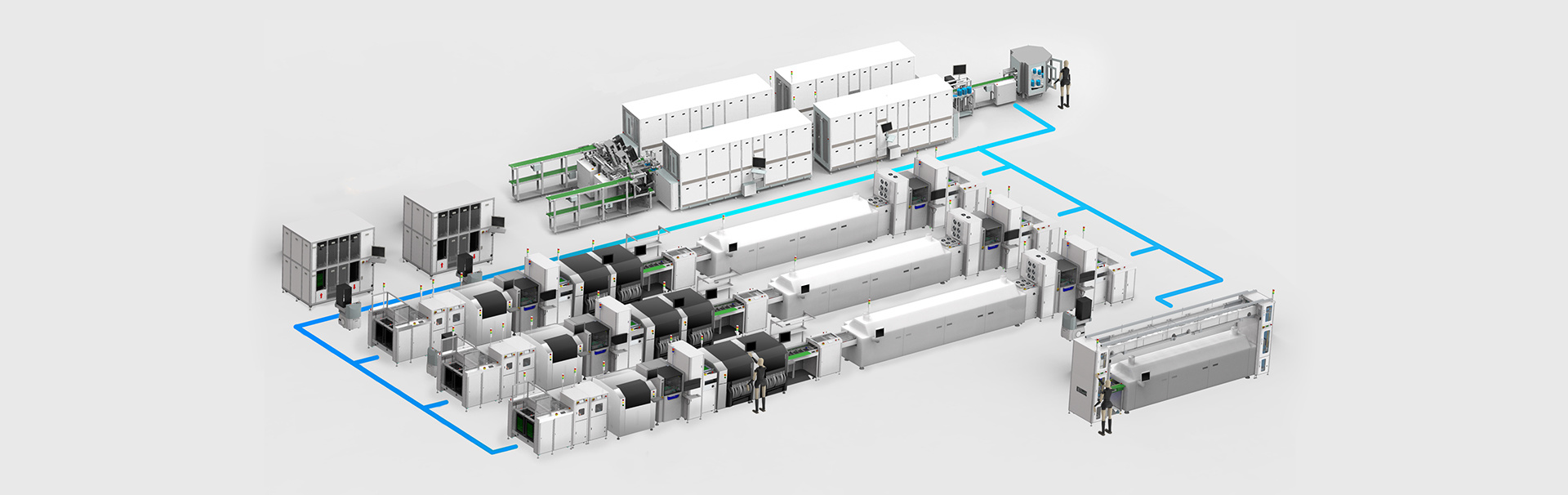
Reflow is rarely a standalone process. When combined with printers, placement systems, and inspection tools, a reflow oven helps create smooth, interconnected production lines.
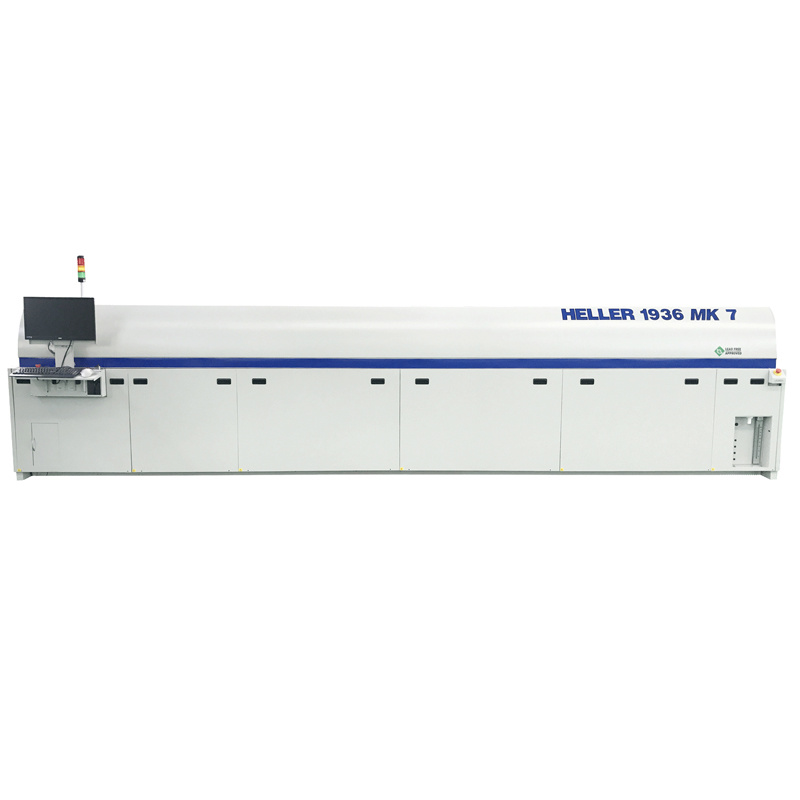
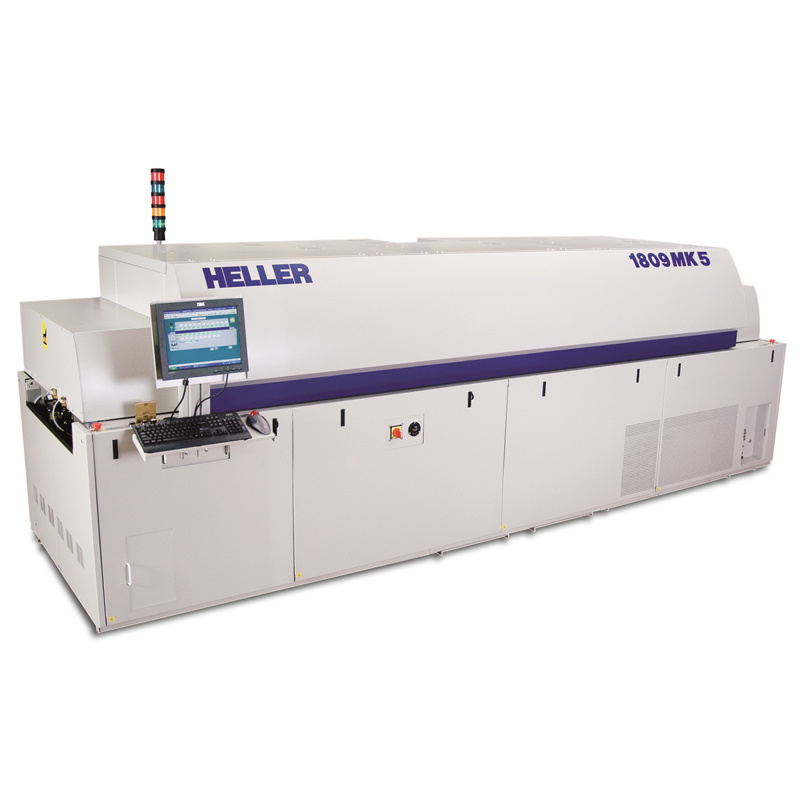
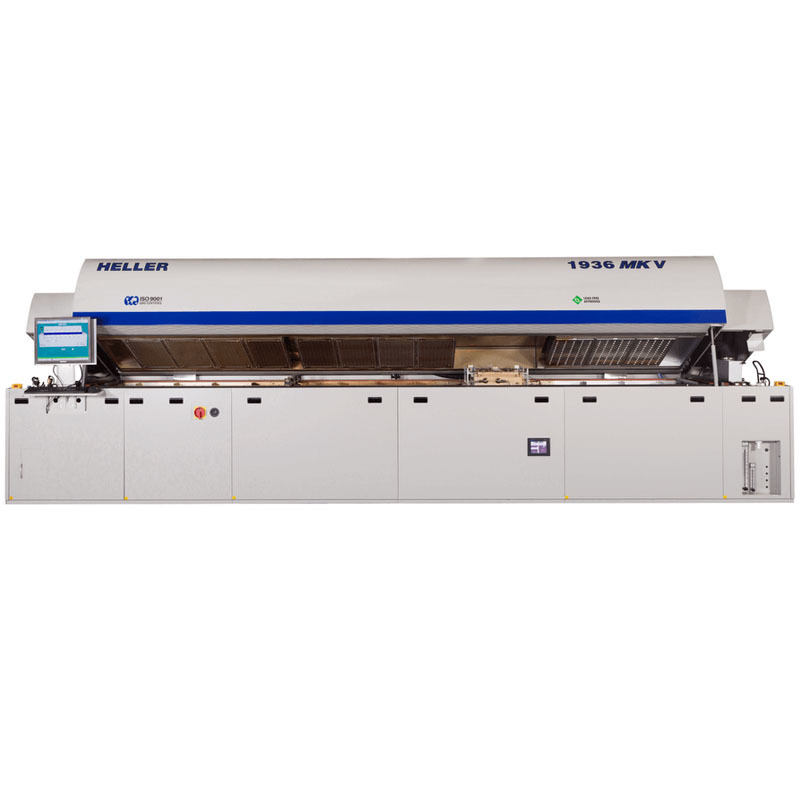
HELLER Vacuum Reflow Oven
Follow Us

Scan to follow the official account
Service Hotline
+86 18665891623
Email:Rylee.young@szwit.com
Tel: +86-755-27456080
Company Address: Fuyong street, Bao'an District, Shenzhen
2nd floor, building 11, Huafeng Science Park, Tangwei

