




Product
Inspection Machines: AOI and SPI Systems
In high-volume electronics manufacturing, inspection ensures that every printed circuit board (PCB) meets stringent quality standards. Whether it’s checking solder paste deposits or verifying final assembly accuracy, an optical inspection system offers the speed, precision, and repeatability needed to maintain production efficiency. By detecting defects early, these systems help reduce costly rework and improve overall yield.
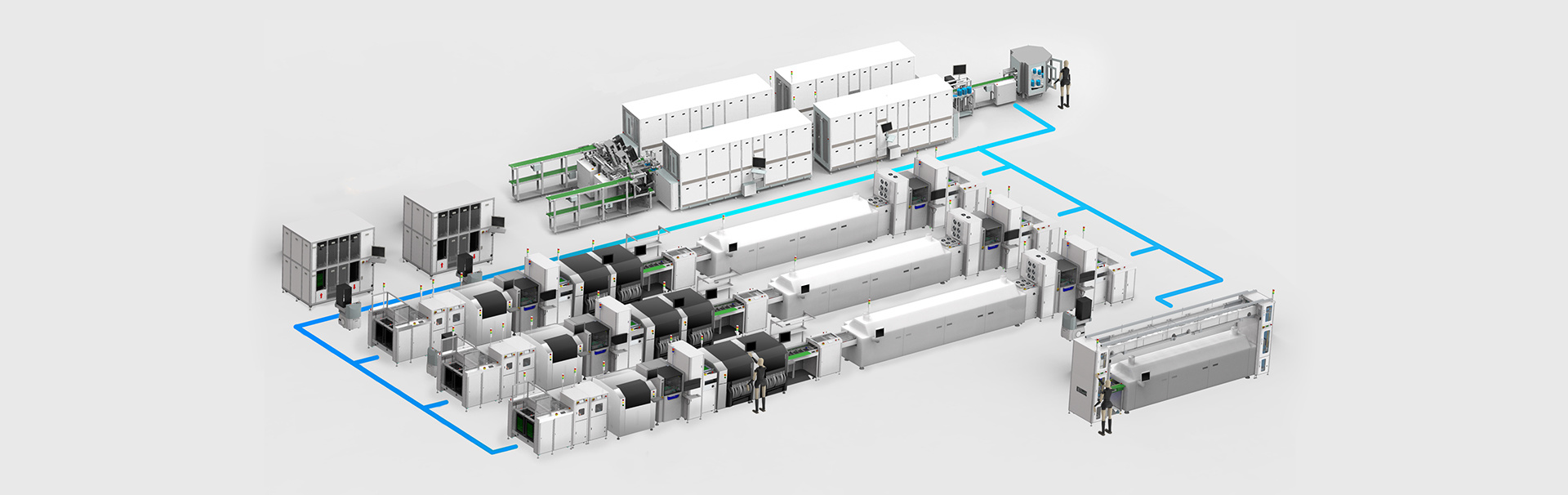
From solder paste inspection (SPI) to advanced automatic optical inspection (AOI), each of our inspection systems is designed to meet different points in the production line. With capabilities such as 2D and 3D imaging, real-time defect analysis, and compatibility with various PCB layouts, they give manufacturers the tools to catch issues before they impact product performance.
Role of Inspection Equipment in Electronics Manufacturing
Strong production lines rely on more than just speed; they need dependable inspection at every step. Here’s a look at how these systems keep quality on track.
Detecting Defects at Every Stage
Inspection equipment identifies issues such as insufficient solder, misaligned components, or bridging issues during PCB production. An AOI machine can capture high-resolution images of each board and compare them against reference data to flag potential defects.
Improving Process Control
By providing detailed feedback on detected errors, inspection systems allow manufacturers to adjust upstream processes quickly. This capability helps prevent recurring faults and keeps quality levels consistent across production runs.
Enhancing Production Efficiency
Fast, automated verification reduces the need for manual checks, letting operators focus on other high-value tasks. Integrating an automated optical inspection machine into the line supports higher throughput without compromising accuracy.
Types of Inspection Systems Available
No single inspection tool can handle every task in electronics manufacturing. Explore the different systems that play a role in safeguarding product quality.
On-Line SPI
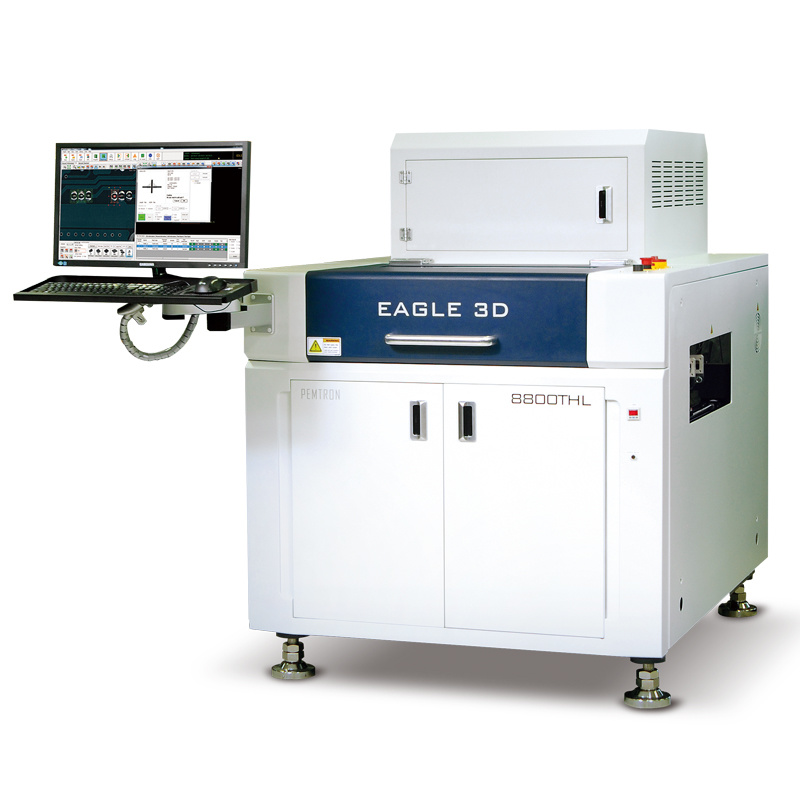
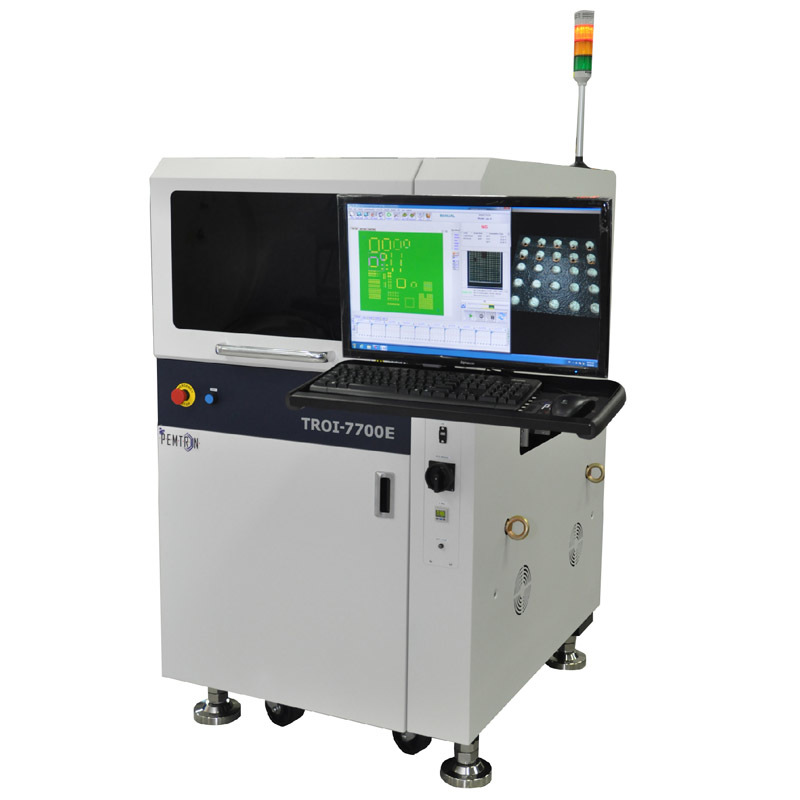
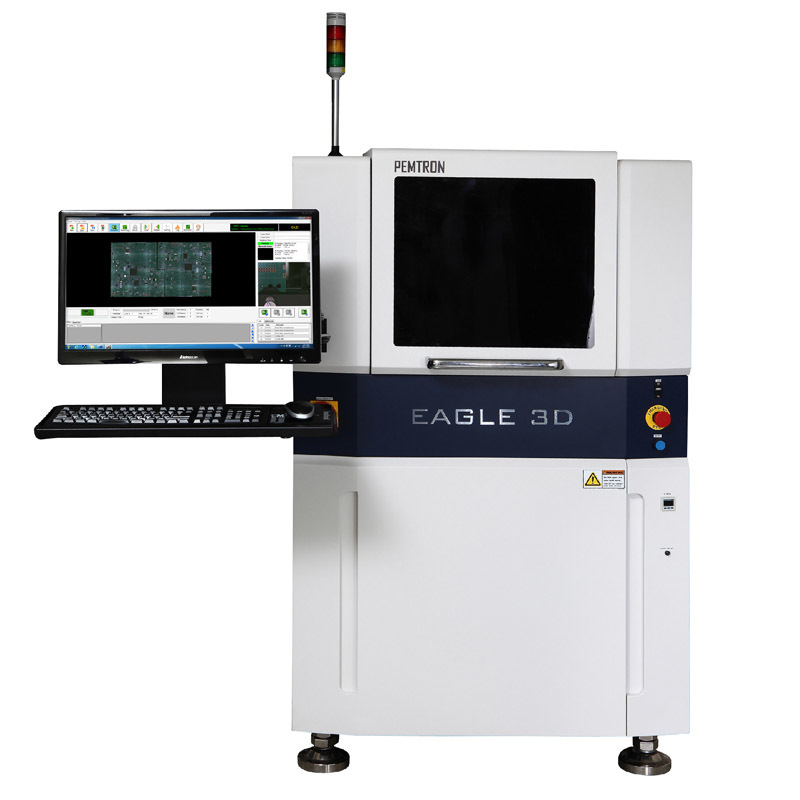
This system measures the volume, height, and alignment of solder paste deposits before components are mounted. By verifying paste quality at this stage, manufacturers can reduce solder-related defects downstream.
On-Line AOI
Designed for real-time quality control, this optical inspection system checks for missing, skewed, or incorrect components after placement and soldering. It can identify faults within seconds, preventing defective boards from continuing through the line.
Off-Line AOI
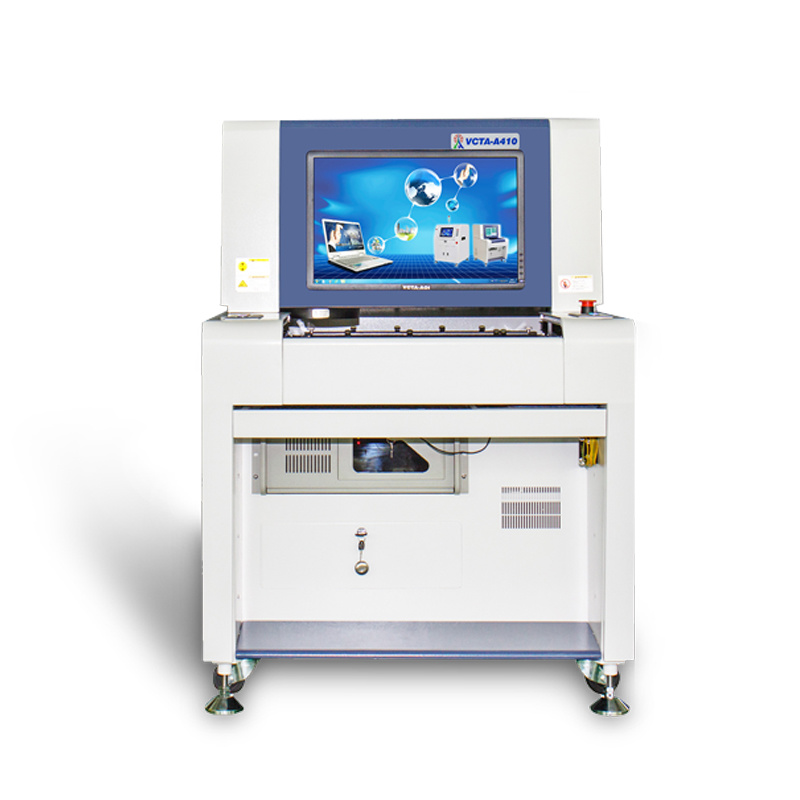
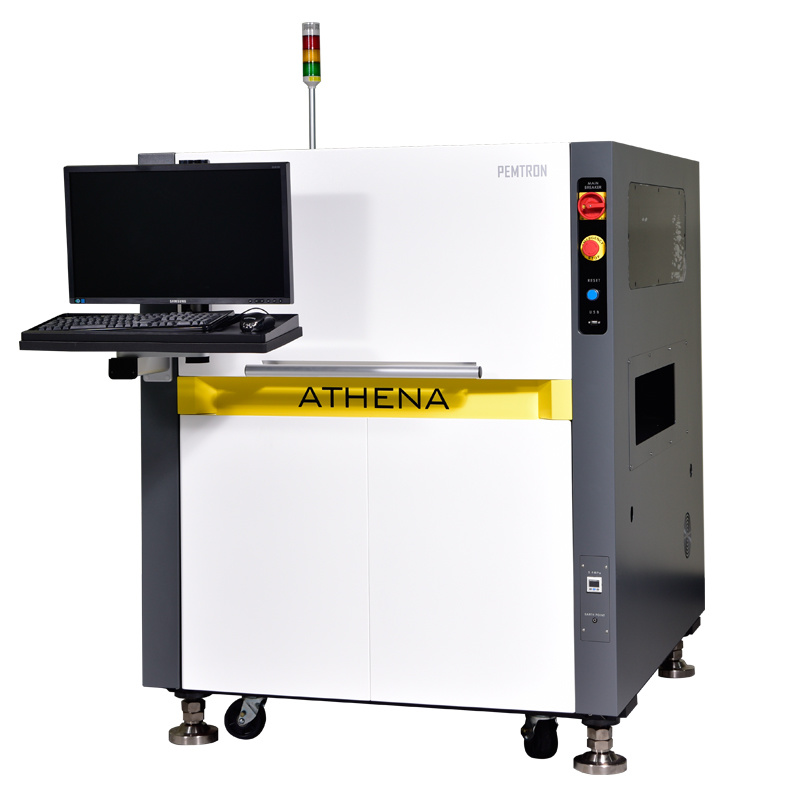
Used outside the main production line, this automatic optical inspection system offers flexibility for sample testing or re-inspection without disrupting ongoing operations. It’s a valuable option for targeted analysis or secondary verification.
How to Choose the Right Inspection Solution
The best inspection setup is the one that fits your workflow and goals. Consider these points before deciding which system to bring into your line.
Evaluate Production Volume and Speed
High-throughput environments benefit most from in-line inspection tools, while smaller operations may prioritize versatile off-line solutions. Matching system capacity to production targets ensures smooth workflow integration.
Consider Board Complexity and Defect Types
Complex boards with fine-pitch components may require 3D imaging for accurate defect detection. An AOI machine equipped with advanced algorithms can deliver more precise results during the inspection of subtle soldering or placement errors.
Assess Integration and Support Requirements
The ideal choice should integrate seamlessly with existing SMT lines and software systems. Working with a supplier like SZWIT—who can customize SMT solutions and provide installation, training, and process guidance—helps maintain consistent inspection performance over time.
Off-Line AOI
PEMTRON 3D SPI
Follow Us

Scan to follow the official account
Service Hotline
+86 18665891623
Email:Rylee.young@szwit.com
Tel: +86-755-27456080
Company Address: Fuyong street, Bao'an District, Shenzhen
2nd floor, building 11, Huafeng Science Park, Tangwei

